
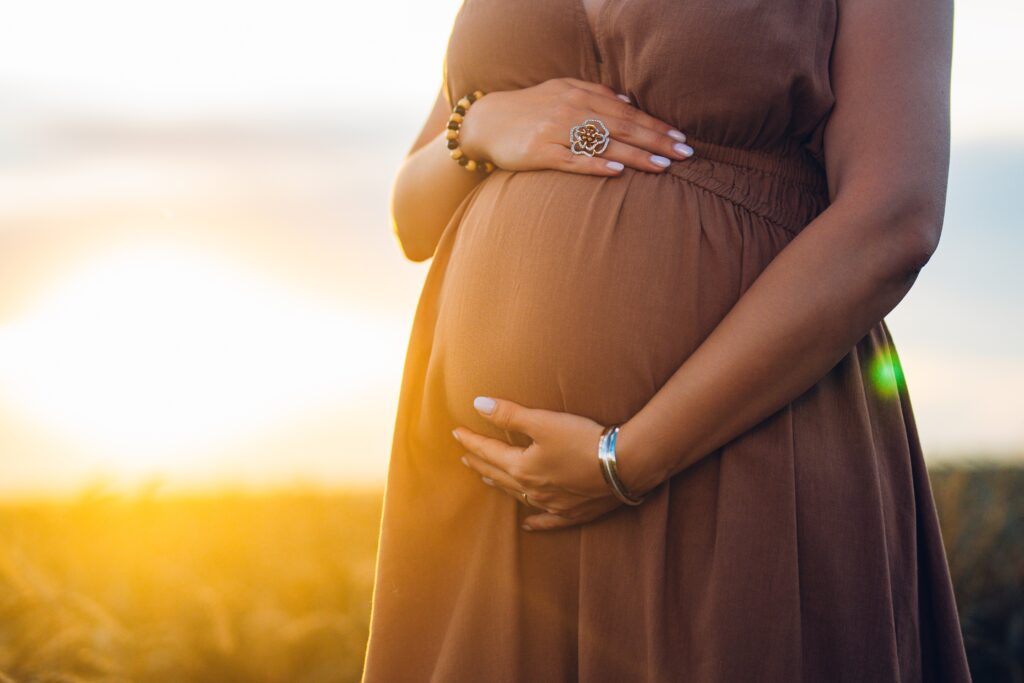
Pregnancy should be a time of hope and new beginnings, but for many Indigenous women, it is tragically filled with risk. In Baltimore, communities including the Lumbee and Cherokee, as well as state-recognized tribes like the Piscataway Indian Nation, Piscataway Conoy Tribe, and Accohannock Indian Tribe, face maternal mortality rates far higher than the national average.
Generations of systemic inequities, racial bias in healthcare, and the erasure of traditional birth practices have left Indigenous mothers disproportionately vulnerable during labor and delivery. Unlike the Western medical approach, which often isolates women and focuses solely on the body, traditional Indigenous births embrace community support, movement, and attention to the mind, body, and spirit. The loss of these practices has contributed to a maternal health crisis that demands urgent attention.
If you or a loved one is facing pregnancy complications, medical malpractice, or racially biased care, you do not have to face it alone. At Schlachman, Belsky, Weiner & Davey, P.A., our Maryland-based attorneys combine decades of experience with compassion and advocacy. We are here to stand with Indigenous women and their families, honoring both your safety, your rights, and your heritage.
The Alarming Disparities in Maternal Mortality for Indigenous Women
Pregnancy should be a time of care and celebration, yet for Indigenous women in the United States, it has become a matter of life and death. In 2022, non-Hispanic American Indian and Alaska Native women faced maternal mortality rates nearly double those of non-Hispanic White women, revealing a crisis rooted in systemic inequities and racial disparities.
In Baltimore, indigenous mothers are particularly affected, as centuries of traditional birthing knowledge and community-based practices have been marginalized or ignored by a healthcare system focused on Western medical protocols.
This is not just a collection of statistics, but it is a human tragedy impacting families, communities, and generations. Each preventable death reflects the urgent need for culturally competent care, respect for traditional practices, and legal protections for women who suffer from medical negligence or racially biased treatment.
Shocking Statistics and Trends
Despite ongoing improvements in healthcare, Indigenous mothers and infants in the United States continue to experience disproportionately high rates of illness and death. Data from the CDC shows:
- Maternal Mortality Rates: In 2021, the pregnancy-related mortality ratio for non-Hispanic American Indian or Alaska Native women was 118.7 deaths per 100,000 live births, compared to 31.4 for non-Hispanic White women.
- Infant Mortality Rates: In 2022, the infant mortality rate for non-Hispanic American Indian or Alaska Native infants was 9.1 deaths per 1,000 live births, higher than the national average of 5.6.
- Postneonatal Mortality Rates: In 2022, the postneonatal mortality rate for infants of American Indian or Alaska Native mothers was 3.81 deaths per 1,000 live births, higher than the rates for White (1.63), Hispanic (1.54), and Asian (1.03) infants.
- Complications During Labor: Indigenous mothers are significantly more likely to experience complications such as preeclampsia, hemorrhage, and infections during labor, contributing to higher maternal mortality rates.
- Limited Access to Care: Nearly one in four Indigenous women report inadequate prenatal care, often due to geographic, economic, or systemic barriers, increasing the risk of poor birth outcomes.
Root Causes of the Crisis
The persistent disparities in maternal and infant health among Indigenous communities are deeply rooted in systemic racism, historical trauma, and socioeconomic inequities that shape every aspect of healthcare access and quality. At SBWD, our personal injury and medical malpractice attorneys commonly see:
- Systemic Racism in Healthcare: Bias and discrimination contribute to delayed or inadequate treatment.
- Loss of Traditional Birth Practices: Isolation from community-based birthing methods removes critical physical, emotional, and spiritual support.
- Socioeconomic Barriers: Limited access to quality prenatal care, transportation, and culturally competent providers exacerbates risk.
- Chronic Health Disparities: Pre-existing conditions, stress, and environmental factors disproportionately affect Indigenous women.
If You’ve Been Affected: Understanding Your Legal Rights
Indigenous mothers and their families who have experienced complications, injuries, or loss during pregnancy and childbirth have legal rights that can help hold negligent parties accountable.
Medical Malpractice in Pregnancy and Childbirth
Indigenous women often face unique challenges and systemic biases within the healthcare system, which can lead to complications during pregnancy and childbirth. When misdiagnosis, delayed treatment, or racially biased care causes injury, both mothers and their families endure physical, emotional, and financial hardship. Families have the right to hold healthcare providers accountable through medical malpractice claims to seek compensation for medical expenses, lost income, and emotional distress.
Wrongful Death Claims for Indigenous Families
The loss of a mother or infant during pregnancy or childbirth is a tragedy that profoundly affects Indigenous families and communities. Wrongful death claims provide a way to pursue justice when these losses result from preventable medical errors. Families can seek compensation for funeral costs, the loss of financial and emotional support, and the grief endured.
Product Liability and Defective Medical Devices
Injuries during pregnancy and childbirth can also stem from defective medical devices or unsafe medications, adding another layer of risk for Indigenous families. When faulty products cause harm, mothers and their children may face long-term health complications and emotional trauma. Product liability claims allow families to hold manufacturers responsible and secure compensation for medical care, ongoing treatment, and suffering.
Hope, Healing, and Justice for Indigenous Mothers
Indigenous women face maternal mortality rates that are far too high, a crisis born of systemic inequities, racial bias, and the loss of traditional birthing knowledge. Yet even amidst these challenges, Indigenous communities are leading a powerful movement of healing and resilience. Mothers and families are coming together in breastfeeding circles, community support networks, and culturally rooted wellness practices that honor mind, body, and spirit. These practices reconnect women with ancestral wisdom, restore confidence in the birthing process, and create spaces where mothers feel supported, empowered, and respected.
Across the nation, a growing movement of Native American and Indigenous midwifery is revitalizing care for mothers and infants. These doulas provide guidance, advocacy, and spiritual support, blending holistic traditions with modern healthcare to reduce risks and improve outcomes. By reclaiming these practices, Indigenous women are not only protecting their own health but strengthening their communities and passing vital knowledge to future generations. This growing network of culturally grounded care offers hope, healing, and the promise of safer pregnancies and births for indigenous mothers.
How Schlachman, Belsky, Weiner & Davey, P.A. Supports Indigenous Families
Indigenous mothers and families who have experienced pregnancy complications, medical negligence, or the loss of a loved one deserve justice, and they have the right to pursue it. At Schlachman, Belsky, Weiner & Davey, P.A., our attorneys have extensive experience in medical malpractice, wrongful death, defective medical devices, and other personal injury claims, providing compassionate legal guidance that respects your cultural heritage.
Contact us today to protect your family’s rights, hold negligent parties accountable, and ensure Indigenous mothers and infants receive the care and respect they deserve.


