
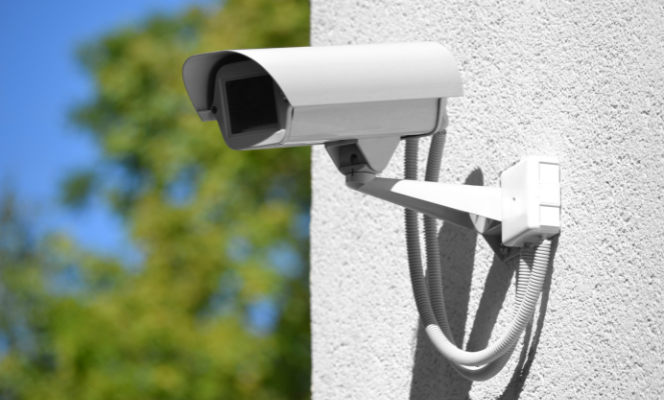
At Schlachman, Belsky, Weiner, & Davey, P.A., our experienced team of lawyers is dedicated to fighting for the rights of injury victims in premise liability cases. If you or a loved one has suffered harm due to negligent security measures on someone else's property, we are here to help you seek justice and fair compensation.
Indicators of Negligent Security
Recognizing signs of negligent security is crucial for individuals who have been harmed due to inadequate safety measures on someone else's property. At Schlachman, Belsky, Weiner, & Davey, P.A., we have extensive experience in handling cases involving negligent security and premises liability.
Here are some common indicators that may suggest negligence on the part of property owners or managers:
Lack of Proper Lighting
Dimly lit areas, especially in parking lots, stairwells, and alleyways, can create an environment conducive to criminal activity and make it more difficult to see potential threats.
Broken or Faulty Security Equipment
Malfunctioning security cameras, alarm systems, intercoms, or access control mechanisms can significantly compromise the safety of a property.
Inadequate Security Personnel
Insufficient or poorly trained security personnel may be unable to effectively monitor and respond to security threats on the premises.
Lack of Physical Barriers
Properties lacking adequate fencing, gates, or barriers may be more susceptible to unauthorized access by intruders.
Failure to Address Previous Security Incidents
Ignoring past incidents or failing to implement corrective measures to prevent future occurrences can contribute to a pattern of negligence and increase the likelihood of harm to others.
Absence of Emergency Plans
Properties should have clear and effective emergency response plans in place to address security threats and protect occupants in the event of an emergency situation. Failure to develop and implement such plans may constitute negligence on the part of property owners or management.
Proving Liability in a Maryland Negligent Security Case
In Maryland, establishing liability in a negligent security case requires demonstrating that the property owner or manager failed to uphold their duty to provide adequate security measures, which directly contributed to the plaintiff's injuries or damages.
At Schlachman, Belsky, Weiner, & Davey, P.A., our experienced attorneys understand the complexities involved in proving liability in these cases and are dedicated to helping victims seek justice. If you've been injured due to negligent security measures, you don't have to navigate the legal process alone. Our compassionate attorneys are here to provide the guidance and advocacy you need to pursue the compensation you deserve.
Who Can Be Held Liable for Negligent Security?
In negligent security cases, liability can extend beyond just the property owner to other parties responsible for ensuring the safety and security of individuals on the premises. Identifying all potentially liable parties is essential for maximizing compensation for victims of negligent security incidents. At Schlachman, Belsky, Weiner, & Davey, P.A., our experienced attorneys thoroughly investigate each case to determine all parties that may be held accountable.
Here's a breakdown of who can be held liable for negligent security:
- Property Owners
- Property Managers
- Security Companies
- Contractors and Maintenance Personnel
- Third Parties
- Government Entities
If you have been injured due to negligent security measures, don't hesitate to seek legal guidance. Contact us today for a free consultation to discuss your case.
Negligent Security FAQs
What is negligent security?
Negligent security is a type of premises liability claim that arises when a property owner or manager fails to implement reasonable security measures, and that failure leads to someone being injured on the property. Under Maryland law, property owners have a legal duty to protect visitors and tenants from foreseeable criminal acts. When they fall short of that duty — through poor lighting, broken security equipment, absent security personnel, or failure to address known risks — and someone is harmed as a result, the victim may have grounds for a negligent security lawsuit.
What is inadequate security?
Inadequate security refers to the specific conditions or deficiencies on a property that fall below an acceptable standard of care. Examples include: dimly lit parking lots and stairwells, malfunctioning surveillance cameras or alarm systems, insufficient or untrained security guards, lack of fencing or access controls, and no emergency response plan. Inadequate security is often the central factual issue in a negligent security case — the plaintiff must show what security measures were missing or deficient and how those gaps created the unsafe condition that led to their injury.
When can you sue for negligent security?
You may be able to sue for negligent security in Maryland when: (1) you were lawfully on someone else's property, such as an apartment complex, hotel, parking garage, shopping center, bar, or school; (2) the property owner or manager failed to provide adequate security; (3) a criminal act occurred on the premises that caused your injuries; and (4) the criminal act was reasonably foreseeable — meaning the owner knew or should have known about the security risks, often based on prior incidents at or near the property. Common scenarios include assaults, robberies, sexual attacks, and shootings where a lack of security measures enabled the crime.
How do you prove negligent security?
Proving negligent security in Maryland generally requires establishing four elements: (1) Duty — the property owner owed you a duty to maintain reasonably safe conditions; (2) Breach — the owner failed to meet that duty by leaving security measures inadequate; (3) Foreseeability — the type of criminal act that harmed you was reasonably foreseeable given the property's history or location; and (4) Causation and damages — the security failure directly caused your injuries. Evidence commonly used includes incident reports, security camera footage, maintenance records, prior crime reports near the property, witness testimony, and expert opinions from security consultants.
What damages can I recover in a negligent security case?
Victims in Maryland negligent security cases may be entitled to recover both economic and non-economic damages. Economic damages include medical expenses (past and future), lost wages and lost earning capacity, and rehabilitation costs. Non-economic damages cover pain and suffering, emotional distress, and loss of enjoyment of life. In cases involving extreme recklessness or willful disregard for safety, punitive damages may also be available. The value of your claim depends on the severity of your injuries, the impact on your life, and the strength of the evidence against the property owner. An experienced attorney can help you identify and document the full scope of your losses.
What is contributory negligence?
Contributory negligence is a legal doctrine that bars a plaintiff from recovering any compensation if they are found to have contributed in any way to their own injury — even if their share of fault is only 1%. Unlike the majority of states that use comparative negligence (which reduces a plaintiff's recovery proportionally), contributory negligence is an all-or-nothing rule. Defense attorneys frequently raise contributory negligence arguments in negligent security cases to eliminate the victim's claim entirely, which is why having an experienced attorney to counter this defense is critical.
Is Maryland a contributory negligence state?
Yes. Maryland is one of only a handful of states — along with Alabama, North Carolina, Virginia, and the District of Columbia — that still follow the pure contributory negligence doctrine. This means that if a defense attorney can show you were even partially at fault for the circumstances that led to your injury, you could be barred from recovering any damages at all. This makes it especially important to work with a skilled Maryland negligent security attorney who can anticipate and address contributory negligence arguments before they derail your case.


